

2-1-1 Orange County (211OC), a key service of Orange County United Way, connects residents with thousands of local health and human service resources.
2-1-1 can be accessed by phone or computer. A toll-free call to 2-1-1 connects you to a community resource specialist in your area who can put you in touch with local organizations that provide critical services that can improve and save lives. You can also search for help by clicking here.
How do I qualify for food?
There are no qualifications to receive food for yourself and your family.
Is there a cost for food?
No, the food is free of charge to you.
Where can I get food? Where can I find a food distribution near me?
Second Harvest distributes food to Orange County community members in need through our Partner Network of almost 300 nonprofits, houses of worship, schools, colleges and universities, senior centers, etc. These partners and pantries then distribute it to their local neighbors. Click here to find a location near you.
Child Abuse
The safety and well-being of children, is, and always will be, our top priority. All YMCA staff and volunteers are mandated reporters and are trained annually in abuse prevention. Ensuring the safety and well-being of young people is foundational to everything we do at the Y to help them learn, grow and thrive.
During April and all year long, the Y encourages adults and organizations in the community to play a vital role in making Orange County a safer place for children.
Did you know that today:
-
- It’s estimated that at least 1 in 7 children in the US has experienced child abuse and/or neglect in the past year
- Neglect is the most common form of child abuse, followed by physical abuse, sexual abuse, and psychological abuse
- 1 in 10 children will be the victim of sexual abuse before their 18th birthday
- 90 percent of children who are abused know the abuser.
- 1 in 5 children is solicited sexually on the Internet before the age of 18.
These numbers are startling and disheartening. Yet, when adults collectively understand the risks and red flags of child sexual abuse, we can do more to keep kids safe. When we all take action, abuse is preventable.
What we can do:
- Bring awareness to the issue of child abuse to your community.
- Foster conversations around how we can prevent it.
- Speak up if you see a boundary violation.
Abuse reports should be made to the police and/or state child protective services:
If you need to report an emergency situation involving child sexual abuse, please call 911.
- National Child Abuse Hotline: 24/7 at 1-800-422-4453
- National Domestic Violence Hotline: 24/7 at 1-800-799−7233
- National Sexual Assault Hotline: 24/7 at 1-800-656-4673
- National Suicide Prevention Lifeline: 24/7 at 1-800-273-8255
- Substance Abuse and Mental Health Services Administration (SAMHSA) Helpline: 24/7 at 1-800-622-4357
- Crisis Text Line: 24/7 text DS to 741741
You can also report suspected incidents of abuse online here.
Resources & Tips
Together, we can help prevent child sexual abuse. Take a look at some of these helpful resources from other organizations who share the Y’s commitment to the safety of children.
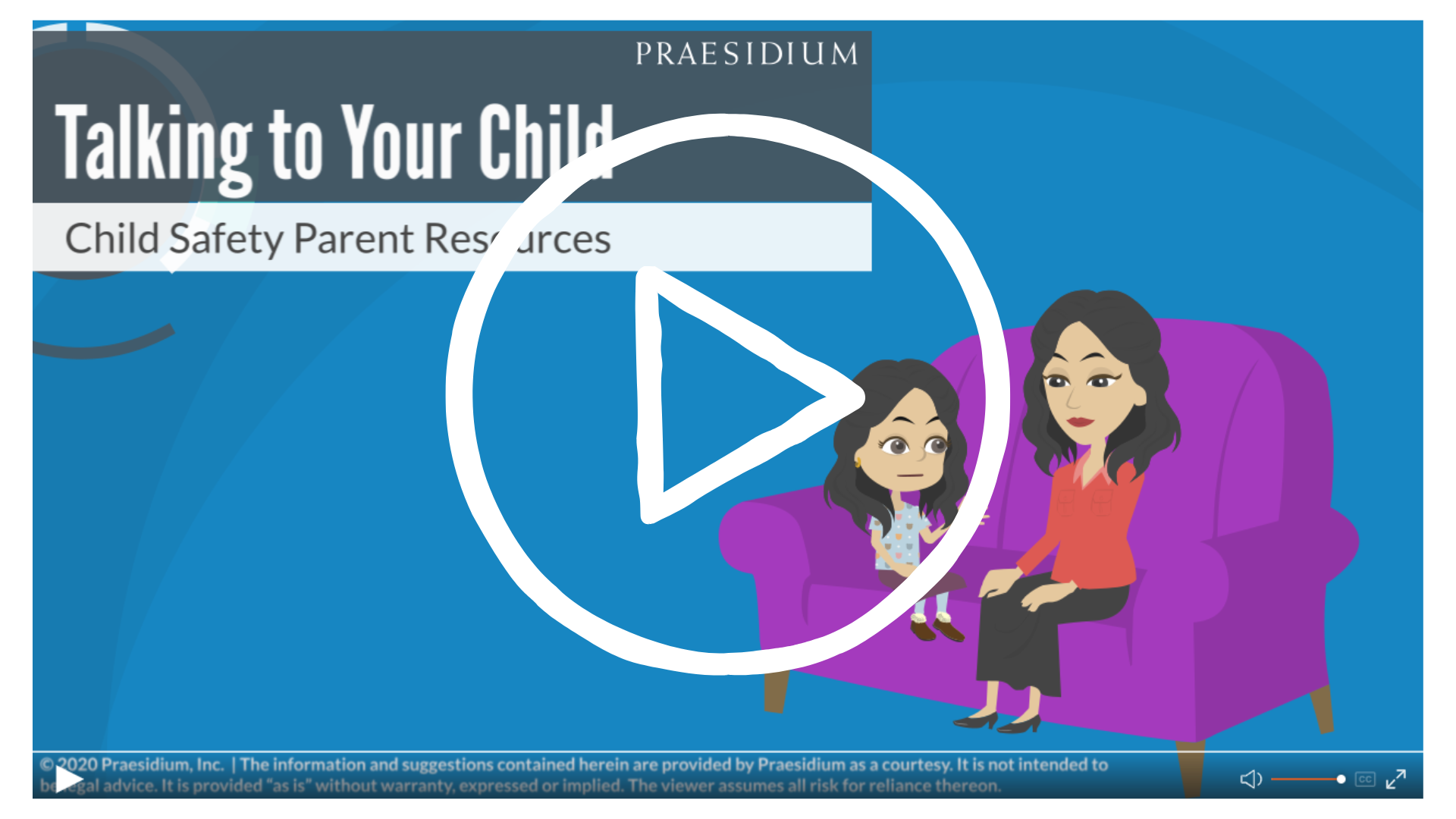
Educational Videos and Information for Parents & Caregivers by Praesidium
- Abuse Prevention Introduction
- Recognize Abuse and Its Warning Signs
- How to Talk to Youth About Abuse
- How to Respond to Child Abuse
- 6 Key Questions a Parent Should Ask of a Camp
Additional Resources
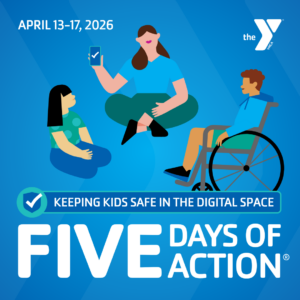
Five Days of Action®
Adult & Elder Abuse
Elder abuse includes physical abuse, emotional abuse, sexual abuse, exploitation, neglect, and abandonment. Perpetrators include children, other family members, and spouses—as well as staff at nursing homes, assisted living, and other facilities.
-
- Physical abuse means inflicting physical pain or injury upon an older adult.
- Sexual abuse means touching, fondling, intercourse, or any other sexual activity with an older adult, when the older adult is unable to understand, unwilling to consent, threatened, or physically forced.
- Emotional abuse means verbal assaults, threats of abuse, harassment, or intimidation.
- Confinement means restraining or isolating an older adult, other than for medical reasons.
- Passive neglect is a caregiver’s failure to provide an older adult with life’s necessities, including, but not limited to, food, clothing, shelter, or medical care.
- Willful deprivation means denying an older adult medication, medical care, shelter, food, a therapeutic device, or other physical assistance, and exposing that person to the risk of physical, mental, or emotional harm—except when the older, competent adult has expressed a desire to go without such care.
- Financial exploitation means the misuse or withholding of an older adult’s resources by another.
Did you know?
Approximately one in 10 Americans aged 60+ have experienced some form of elder abuse. Some estimates range as high as five million elders who are abused each year. One study estimated that only one in 24 cases of abuse are reported to authorities.
Physical abuse, neglect, or mistreatment: Bruises, pressure marks, broken bones, abrasions, burns.
STAY CONNECTED
Strengthening and protecting families is a year-round mission. Follow the Children's Bureau on social media to find out about new resources and sign up for their email list for year-round information.
FACEBOOK:
@ChildWelfare
@TheChildrensBureau
LINKEDIN: @Child-Welfare-Information-Gateway
X: @ChildWelfareGov
WEBSITE: www.childwelfare.gov/preventionmonth